Why Am I Not Getting Pregnant, Even When All My Reports Are Normal?
- Kind Fertility
- Feb 8
- 3 min read

If you’ve ever looked at your reports and thought:
“Everything is normal… so why isn’t this happening?”
You’re not overthinking it.And you’re definitely not alone.
This is one of the most common — and emotionally exhausting — questions we hear from women trying to conceive. Because on paper, everything looks fine. But in real life, month after month, nothing changes.
At Kind Fertility, we believe this gap deserves clarity, not confusion or fear.
Let’s talk about what “normal reports” really mean — and what they often don’t.
First, let’s redefine what “normal” actually means
Most fertility tests are designed to answer one basic question:
Is there something obviously wrong?
They are not designed to answer:
Is your body ovulating optimally?
Is the egg quality good enough for conception?
Is the timing right?
Are all hormones working together in sync?
So when reports come back as “normal,” it often means:
Values fall within a wide reference range
Not that everything is functioning at its best for pregnancy
Fertility is less about individual numbers and more about how the whole system works together.
Common reasons pregnancy doesn’t happen — even with normal reports
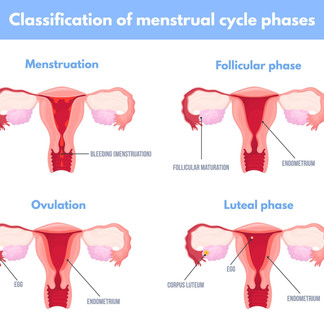
1. Regular periods don’t always mean regular ovulation
This surprises many women.
You can have:
Clockwork cycles
No obvious symptoms
“Normal” scans
And still:
Ovulate late
Release immature eggs
Skip ovulation occasionally
Ovulation quality and timing matter just as much as ovulation itself — and these aren’t always captured in basic tests.




2. Egg quality isn’t measured in routine testing
This is one of the biggest blind spots in fertility care.
AMH tells us about egg quantity, not quality
Ultrasounds show follicles, not egg health
Egg quality is influenced by age, stress, nutrition, inflammation, and lifestyle
You can be told “everything looks good” — and still struggle to conceive because egg quality needs support, not alarm.
3. Timing intercourse is harder than it sounds
Many couples are trying — but not during the most fertile window.
Common reasons:
Ovulation doesn’t always happen on day 14
Cycles can shift month to month
The fertile window is short
Even missing ovulation by a day can mean waiting another month. This isn’t failure — it’s biology.
4. Subtle hormonal imbalances often go unnoticed
Not all hormonal issues look dramatic.
Some women have:
Mild PCOS
Borderline thyroid levels
Slight insulin resistance
These may not raise red flags in standard reports, but they can quietly affect ovulation, implantation, and cycle health.
5. Nutrition and metabolic health matter more than we’re told
Even small deficiencies can impact fertility:
Low vitamin D or B12
Iron deficiency
Thyroid levels that are “normal” but not optimal for conception
These don’t always cause obvious symptoms — but your reproductive system feels the difference.
6. Male fertility is often oversimplified
A “normal” semen analysis doesn’t tell the full story.
It doesn’t always assess:
Sperm DNA quality
Oxidative stress
How well sperm can actually fertilise an egg
In many cases of delayed conception, male factors are part of the picture — even when reports look reassuring.
7. Stress is not “just in your head”
Trying to conceive can quietly become a cycle of hope and disappointment.
Chronic stress affects:
Hormone signalling
Ovulation
Implantation
Your body listens to your environment — not just your reports.
When doctors say “unexplained infertility”
This term can feel frustrating, even dismissive.
But what it usually means is:
We haven’t found a clear reason yet.
Unexplained infertility affects many couples, and a large number go on to conceive naturally once the right factors — timing, hormones, nutrition, or lifestyle — are gently corrected.
What you can do next (without panic)
Before jumping to invasive treatments, it’s worth slowing down and looking at the full picture:
A complete, cycle-specific hormone assessment
Proper ovulation tracking over multiple cycles
Nutritional and metabolic health checks
A balanced evaluation of both partners
Guidance that prioritises understanding before intervention
Fertility care should feel supportive — not rushed.
A note from Kind Fertility 💛
Not getting pregnant despite normal reports does not mean:
Your body is broken
You’ve waited too long
IVF is your only option
More often, it means:
Something small but important is being missed
Your body needs alignment, not pressure
You deserve answers that make sense to you
Fertility isn’t just about numbers. It’s about context, timing, and care.
And you don’t have to navigate it alone.


Comments